

Communities invest significant time, money, and energy into developing comprehensive plans, downtown master plans, parks master plans, transportation studies, and corridor plans. These documents are intended to guide decisions over the course of many years, often decades.
Yet, not every plan succeeds.
Some become trusted roadmaps that shape development, attract funding, and improve quality of life. Others end up collecting dust on a shelf.
Why?
It's rarely because the ideas were bad.
More often, plans fail because they were never designed to move from vision to implementation.
One of the most common reasons plans lose momentum is that they try to accomplish everything at once.
Communities naturally have many needs, and it's tempting to include every idea that emerges during public engagement. While it's important to capture those ideas, not every project can—or should—happen immediately.
Successful plans prioritize recommendations based on community needs, available funding, impact, and feasibility.
Instead of asking, "What do we want to do?" effective planning asks, "What should we do first?"
That creates a clear path forward rather than an overwhelming list of projects.
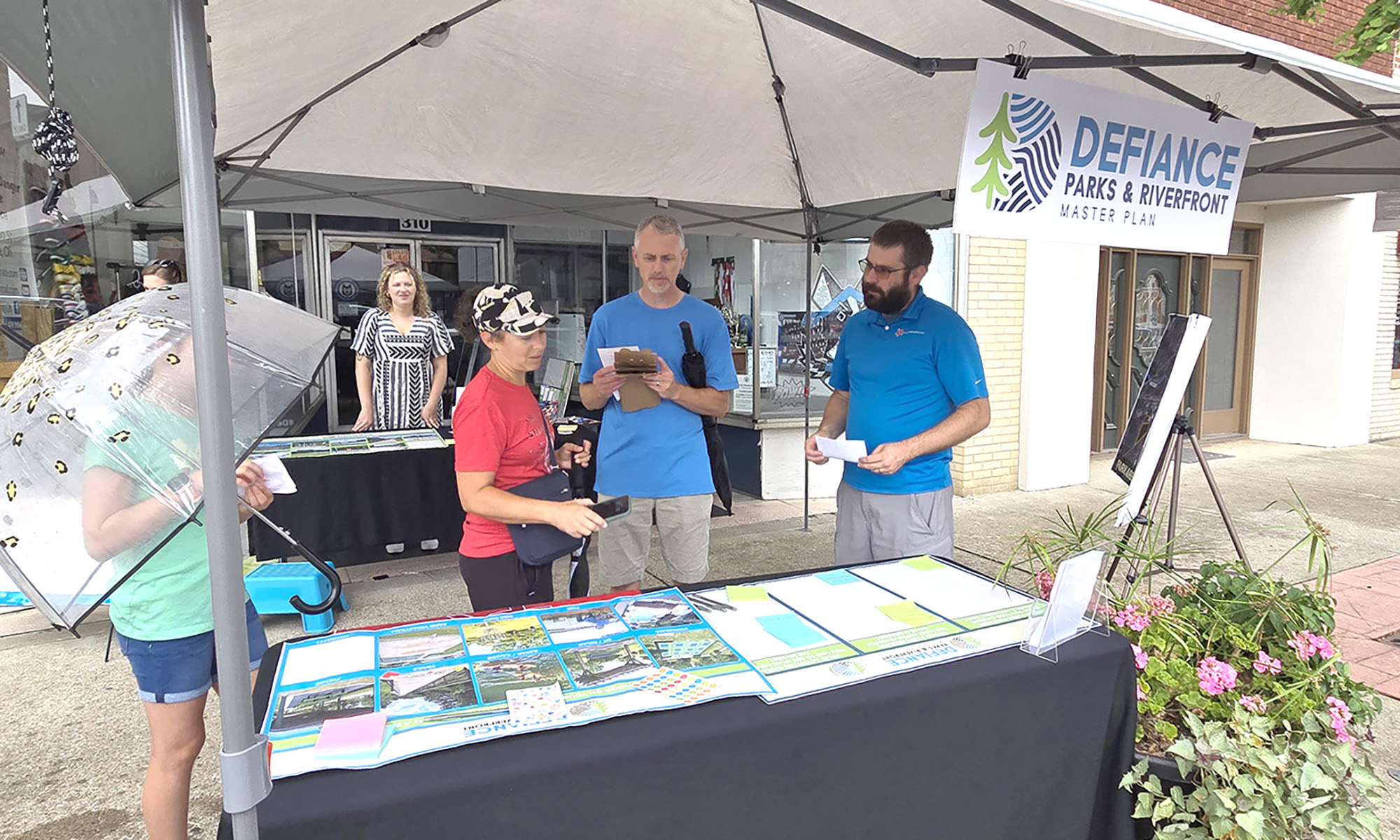
Public engagement often happens during the planning process, but implementation depends on maintaining community support long after the plan is adopted.
When residents, businesses, elected officials, and community organizations understand the vision, projects are more likely to receive funding, approvals, and long-term backing.
Planning isn't simply about gathering feedback. It's about building ownership.
Communities that keep residents informed about progress—even years after adoption—often see stronger momentum and greater success.
Moving a plan forward doesn't always require a multi-million-dollar project.
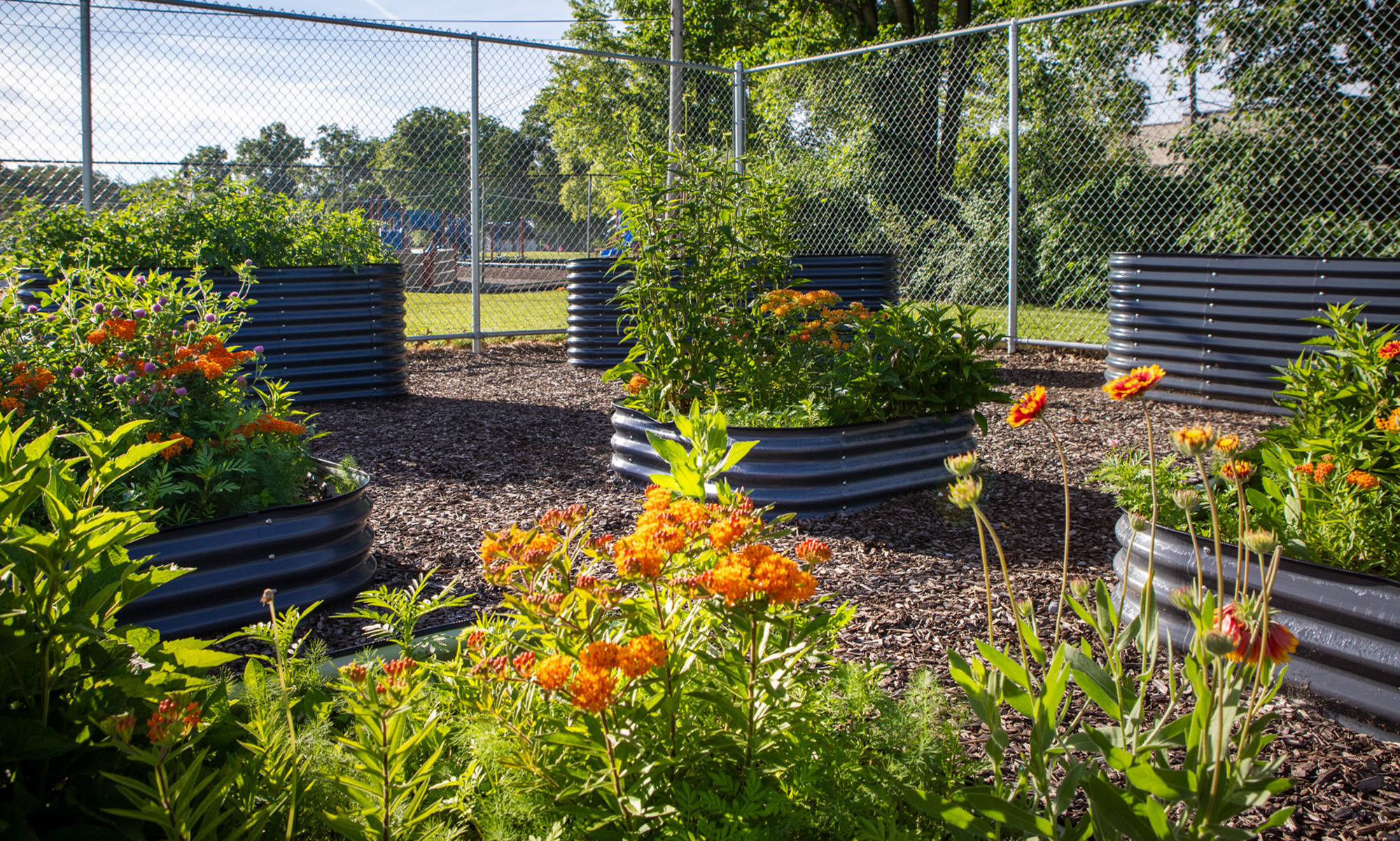
Some of the most meaningful early improvements can be relatively simple and budget friendly. These "quick wins" allow communities to demonstrate progress while larger projects, funding opportunities, and partnerships are still being developed.
Including projects at a range of scales and costs also gives communities more flexibility. When funding is limited, smaller improvements can keep the plan moving forward. When larger funding opportunities become available, communities are prepared to pursue bigger priorities.
Most importantly, visible progress helps people see that the plan is more than a document. Each completed project can build confidence, strengthen community support, and create momentum for what comes next.
A visionary plan is exciting.
An achievable plan is transformative.
However, one of the biggest mistakes is recommending projects without considering how they'll be funded or maintained.
Whether funding comes from local capital budgets, grants, private investment, partnerships, or phased construction, implementation should always be part of the conversation.
A good plan identifies opportunities. A great plan identifies realistic pathways to make those opportunities happen.
Communities evolve!
Economic conditions change. Leadership changes. New development opportunities emerge. Population trends shift.
A plan that's too rigid can quickly become outdated.
Instead, successful plans establish a long-term vision while remaining flexible enough to adapt as circumstances change.
The vision stays consistent, even if the path evolves.
Many plans span 10 to 20 years, which means they'll outlast multiple elected officials, department heads, and staff members.
Without clear documentation, implementation strategies, and measurable goals, institutional knowledge can disappear as leadership changes.
A well-crafted plan provides continuity. It helps future decision-makers understand not only what was recommended, but why those recommendations were made.
That consistency keeps communities moving toward shared goals regardless of who is in office.
Perhaps the biggest misconception is that adopting a plan marks the finish line.
In reality, it's the starting point.
Successful communities regularly revisit their plans, measure progress, update priorities, pursue funding opportunities, and adjust recommendations as conditions change.
The most valuable plans become living documents that guide everyday decisions—not reports that are opened only when applying for a grant.
The best plans do more than create an inspiring vision. They establish realistic priorities, reflect meaningful community input, identify practical implementation strategies, and provide flexibility for the future.
At JPR, we believe planning doesn't end when the final document is delivered. Our multidisciplinary team works alongside communities to understand their goals, evaluate opportunities, identify funding strategies, and develop implementation-focused plans that can guide decision-making for years to come.
Because the measure of a successful plan isn't how impressive it looks on adoption day—it's how much positive change it creates in the years that follow.

SOUTH BEND
325 S. Lafayette Blvd.
South Bend, Indiana 46601
Phone: (574) 232-4388
FORT WAYNE
111 W Berry Street,
Fort Wayne, Indiana 46802
Phone: (260) 422-2522