

When people hear the words community engagement, they often picture a public meeting where residents gather to voice concerns or vote on an upcoming project. While those meetings are important, meaningful engagement is much more than checking a box. It's about listening to the people who will live, work, play, and invest in a community every day — and using their ideas to create plans that truly work and meet their needs.
Whether planning a new park, revitalizing a downtown, improving a roadway, or developing a comprehensive plan, the best projects begin with the community itself.
Community engagement is the process of involving residents, business owners, stakeholders, and community organizations in planning and decision-making. Rather than making decisions behind closed doors, planners invite people to share their experiences, identify challenges, and help shape future solutions.
The goal isn't simply to collect opinions. It's to understand people’s everyday experiences, what they value most, and what they hope to see in the future.
When done well, this interaction creates a conversation instead of a presentation.
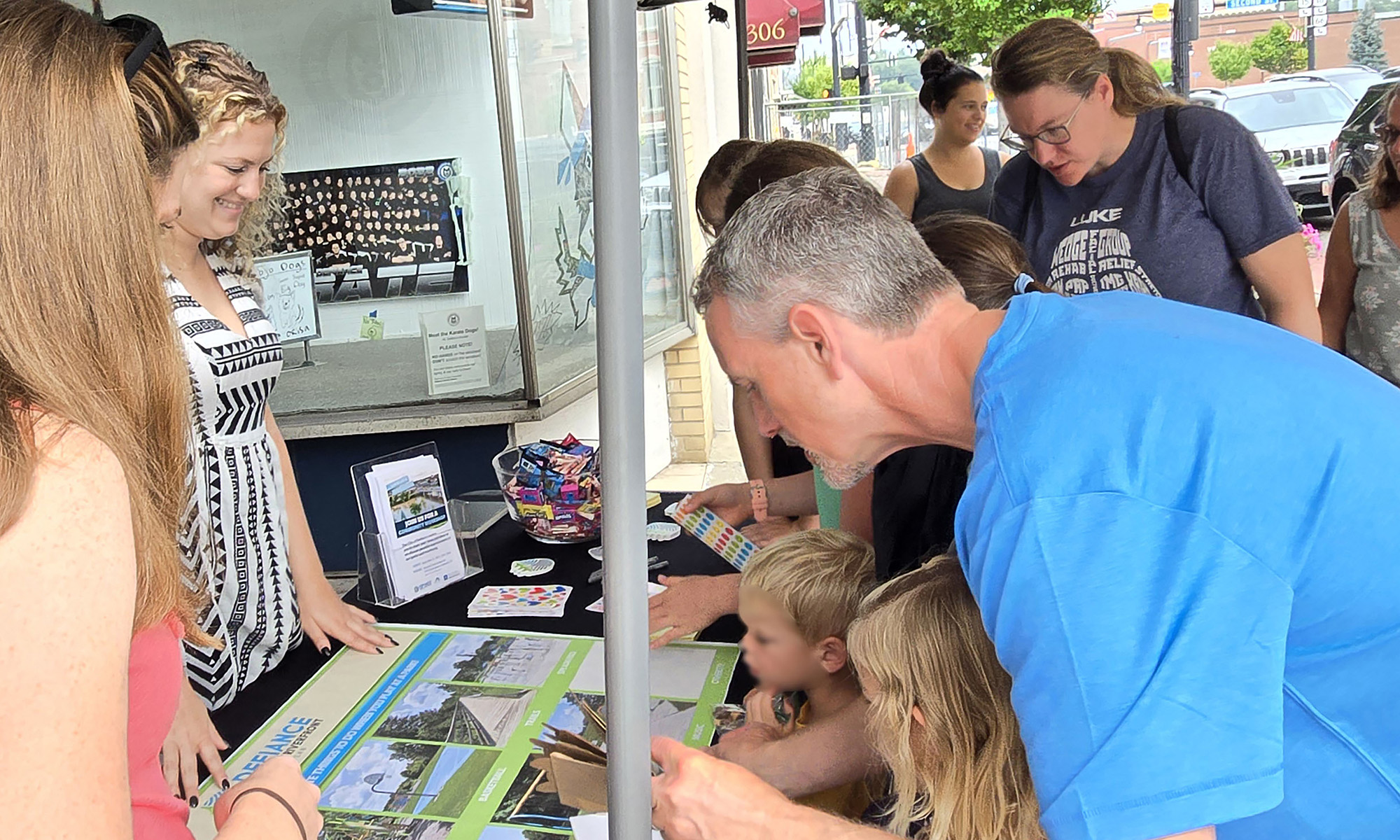
Every community is unique. Residents know things that maps, traffic counts, and engineering reports can't reveal. They know:
These firsthand perspectives help planners make better-informed decisions and avoid costly assumptions.
Instead of designing for a community, planners design with the community.
Community input often reveals opportunities that data alone can't identify.
For example, residents might explain that a proposed trail should connect to a local school instead of ending at a roadway. Business owners may identify parking concerns that affect customers. Parents may highlight the need for accessible playground equipment, while older adults may prioritize benches, lighting, and safe walking routes.
When multiple perspectives are gathered early in the planning process, projects become more thoughtful, practical, and inclusive.
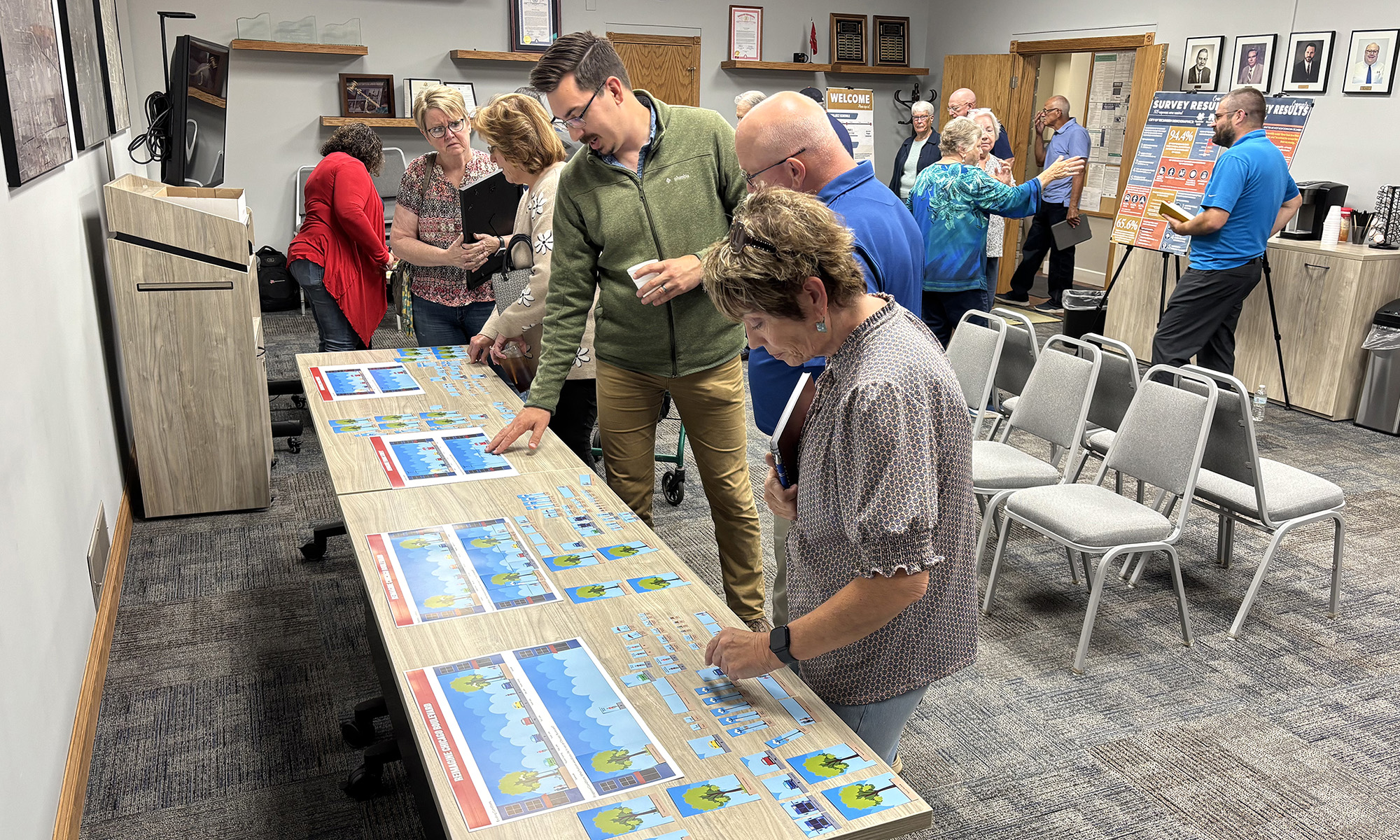
Successful planning isn't just about creating a great design. It's also about building trust.
People are more likely to support a project when they understand
This doesn't mean every suggestion becomes part of the final plan. Budget limitations, state and federal regulations, environmental factors, and engineering requirements all play a role. However, showing people that their voices were heard creates confidence in the process and strengthens relationships between communities and project teams.
Traditional public meetings remain valuable, but they don't reach everyone.
Some residents work evenings. Others have young children, transportation challenges, or simply don't feel comfortable speaking in front of a crowd.
Today's engagement strategies use a variety of tools to reach more people, including:
Using multiple engagement methods helps ensure a broader range of voices is represented, resulting in plans that reflect the entire community — not just those who attend one meeting.
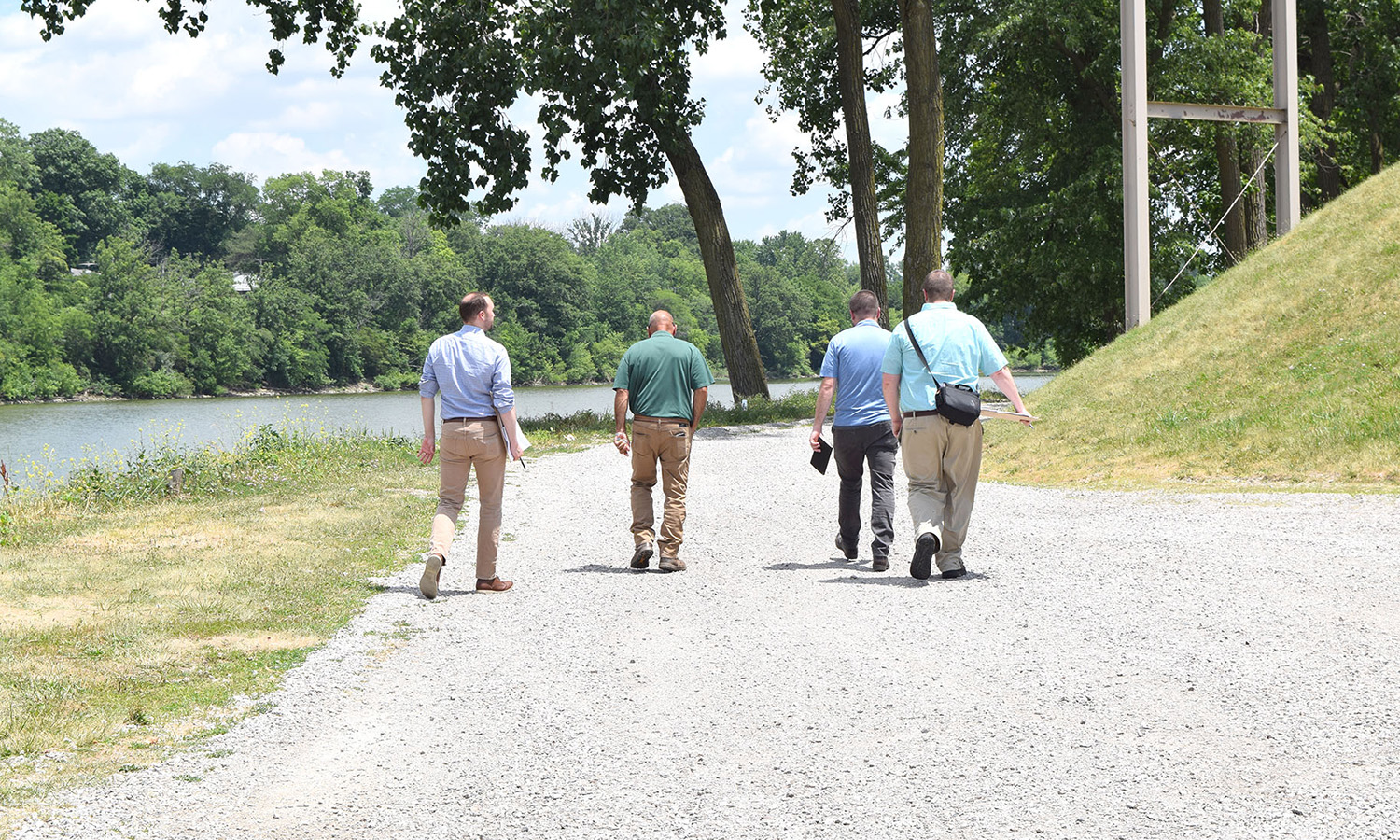
The success of a plan isn't measured by how it looks on paper. It's measured by whether people embrace it, use it, and continue supporting it for years to come.
Communities that invest time in meaningful engagement often experience:
When residents see their ideas reflected in the final plan, they're more likely to become champions for the project and help it succeed long after construction is complete.
At JPR, community engagement is a fundamental part of the entire planning process. Not an afterthought.
Our team works with communities of all sizes to create engagement strategies tailored to each project's goals and audience. Just as importantly, we help communities understand what they hear. We organize feedback, identify common themes, and translate public input into practical planning and design recommendations.
We've seen firsthand that the strongest plans are built through collaboration. When people have meaningful opportunities to participate, projects are more responsive, more resilient, and more successful.
***
If your community is preparing for a master plan, park improvement, downtown revitalization, or other planning initiative, meaningful community engagement can lay the foundation for lasting success. Our team believes the best plans begin with listening. We'd love to hear about your community's goals, challenges, and vision — and work alongside you to create a plan that reflects what matters most.
Ready to start the conversation? Contact us today to share your community's needs and explore what's possible together!

SOUTH BEND
325 S. Lafayette Blvd.
South Bend, Indiana 46601
Phone: (574) 232-4388
FORT WAYNE
111 W Berry Street,
Fort Wayne, Indiana 46802
Phone: (260) 422-2522