

If you've ever heard that a Downtown Master Plan takes "about a year," you're only hearing part of the story.
The truth is that every downtown is different. A small downtown with a focused vision may complete a master plan in six to eight months, while a larger community with complex challenges, extensive public engagement, or multiple stakeholders may take a year or more.
The timeline isn't determined by how quickly planners can draw maps. It's determined by how much time is spent understanding the community, gathering public input, evaluating existing conditions, and creating a plan that people can confidently move forward with.
A well-developed Downtown Master Plan is an investment in a community's future — and it's worth taking the time to get it right.
Although every community is different, most Downtown Master Plans follow a similar process. The project begins by working with community leaders to establish goals, understand local priorities, and define what success really looks like. From there, planners review existing plans and previous planning efforts before analyzing current conditions, studying everything from streets, sidewalks, parking, and public spaces to utilities, economic development opportunities, and how people currently use downtown.
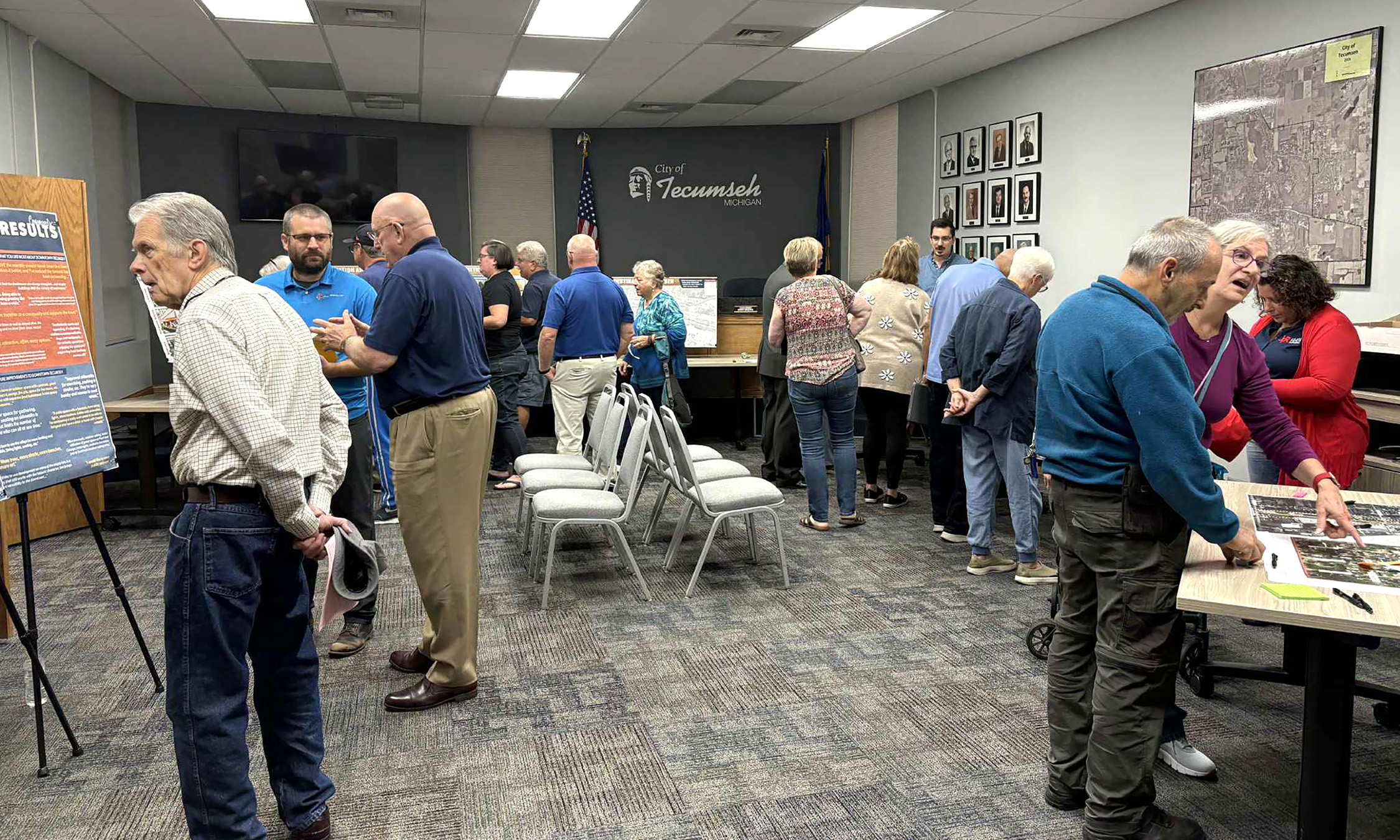
At the same time, the team engages residents, businessowners, stakeholders, and community organizations through public meetings, surveys, workshops, and other outreach efforts. This feedback is one of the most valuable parts of the process because it helps ensure the plan reflects the people who live, work, and invest in the community every day.
Using both technical analysis and community input, planners develop a long-term vision for downtown that identifies opportunities for improvement, redevelopment, public spaces, transportation, and future investment. Draft recommendations are then shared with the community and local officials for review before being refined into a final master plan.
Once adopted, the plan becomes a practical roadmap that helps guide future decisions, prioritize projects, pursue grants, attract investment, and coordinate improvements over many years.
Several factors can make a Downtown Master Plan move faster — or take longer.
Community Size: Larger communities often have more stakeholders, more infrastructure, and more complex planning issues to evaluate.
Level of Public Engagement: Communities that prioritize extensive engagement often produce stronger plans, but gathering meaningful public input takes time. The goal isn't to check a box — it's to listen to and understand the community, build consensus, and ensure the plan reflects the people it will serve.
Project Complexity: Some plans focus primarily on beautification or streetscape improvements. Others may include transportation studies, utility evaluations, redevelopment strategies, economic development initiatives, housing, environmental considerations, and long-term capital planning. More moving pieces naturally require additional coordination.
Existing Information: Communities that already have recent traffic studies, utility data, GIS mapping, or previous planning documents may be able to complete portions of the process more efficiently.
Sometimes.
Communities with a clearly defined scope and readily available information may complete a plan in six to eight months.
However, rushing the planning process often means:
A thoughtful planning process often saves time — and money — during implementation because decisions have already been carefully evaluated.
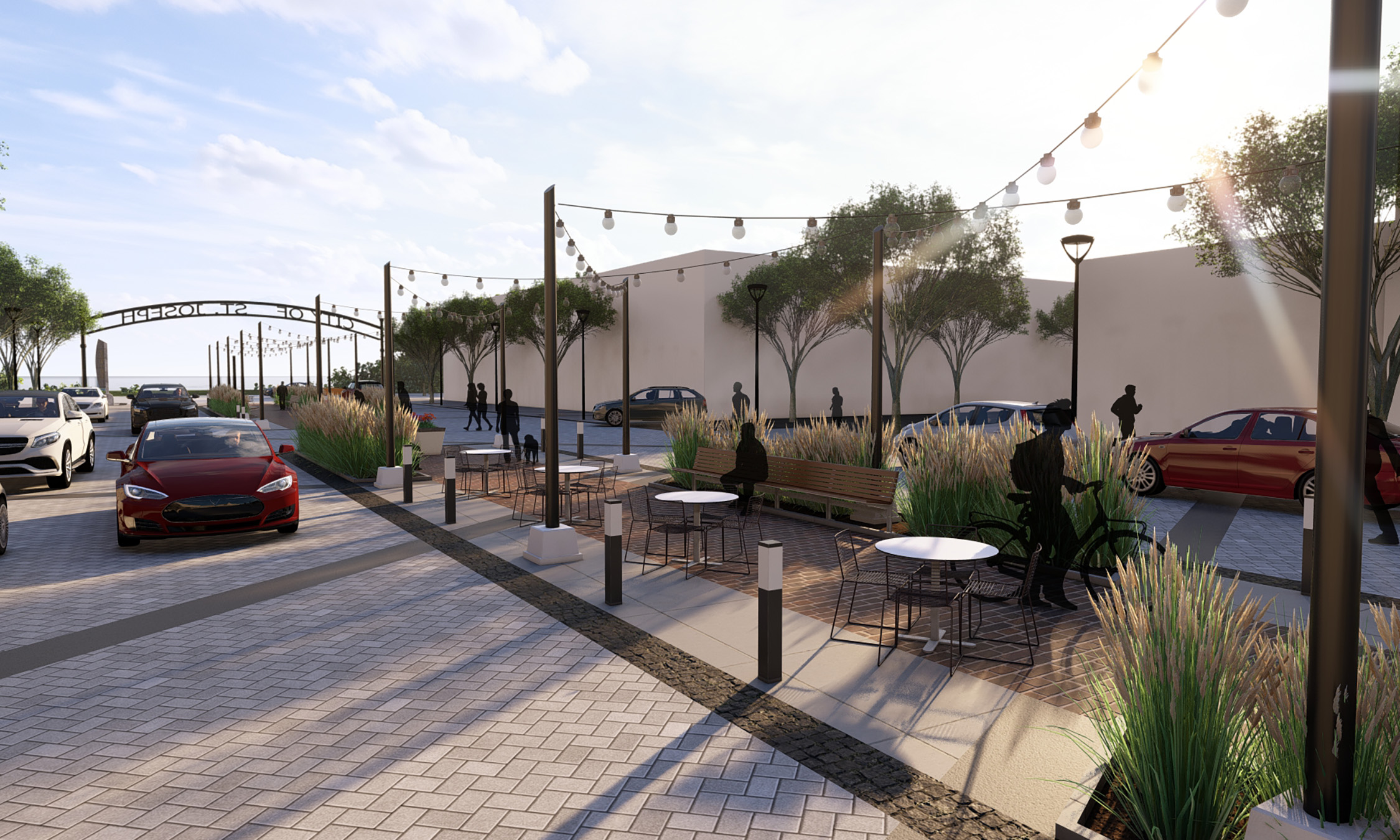
A Downtown Master Plan often shapes investment decisions for the next 10 to 20 years.
Communities use these plans to prioritize projects, pursue grants, attract private investment, and coordinate improvements over time. Because of that, it's important that the recommendations are realistic, supported by the community, and flexible enough to adapt as needs evolve.
A well-developed plan creates a shared vision that community leaders, residents, businesses, and funding agencies can all work toward.
If your community is considering revitalizing its downtown, the planning process is the ideal place to start. A thoughtful master plan provides the foundation for informed decisions, coordinated investments, and long-term success.
At JPR, we believe the best downtown plans are built through thoughtful analysis, meaningful community engagement, and collaboration. By taking the time to understand each community's unique character and goals, we help create plans that are not only inspiring but also achievable. If you have questions or are ready to begin planning for your downtown's future, our team is here to help. Contact us today!
***
How long does a downtown master plan usually take?
Most downtown master plans take between 6 and 12 months, although larger or more complex projects can take longer depending on the amount of analysis and public engagement involved.
Why does community engagement take so much time?
Meaningful engagement requires more than one public meeting. Gathering input through surveys, workshops, stakeholder interviews, and public events helps ensure the plan reflects a broad range of perspectives and builds community support.
Can projects begin before the plan is finished?
In some cases, yes. If there are urgent needs or early improvements with broad support, communities may begin preliminary work while the overall planning process continues. However, major investments are typically guided by the completed master plan.
What happens after the plan is adopted?
The adopted plan becomes a roadmap for future action. Communities use it to prioritize projects, pursue funding opportunities, guide private development, update capital improvement plans, and make informed decisions as downtown evolves.

SOUTH BEND
325 S. Lafayette Blvd.
South Bend, Indiana 46601
Phone: (574) 232-4388
FORT WAYNE
111 W Berry Street,
Fort Wayne, Indiana 46802
Phone: (260) 422-2522