

Q: What first brought you to JPR and what made you stay?
A: Mark first came to JPR after years of working as an on-site project engineer on large, complex road and bridge projects in northwest Indiana. While the experience was invaluable, it also meant long hours and long daily commutes from his home in Niles, Michigan. A turning point came when a contractor he knew encouraged him to contact Ken Jones, who was looking to hire an engineer in Elkhart. The opportunity to work closer to home was immediately appealing. During the interview, Mark was struck by Ken’s down-to-earth personality, humor, and leadership style — jeans, sweatshirt, dog in the office and all — and he knew right away JPR was different.
“I got a definite at-home feeling about the potential opportunities to grow in engineering and what a great boss Ken would be ... This was a firm where expanding my engineering career would be encouraged. I happily took his offer and have stayed with the company for over 30 years.”
He found himself surrounded by friendly, highly talented coworkers and a culture that encouraged growth. At JPR, the attitude was always “yes, you can do it here,” an environment that welcomed new challenges and grew right along with them.
“When I started out, I was not a geotechnical engineer, bridge designer, or structural investigation engineer, but in the company environment I took on all those things and grew, making use of my field experience in construction.”
Q: How has the industry changed since you started?
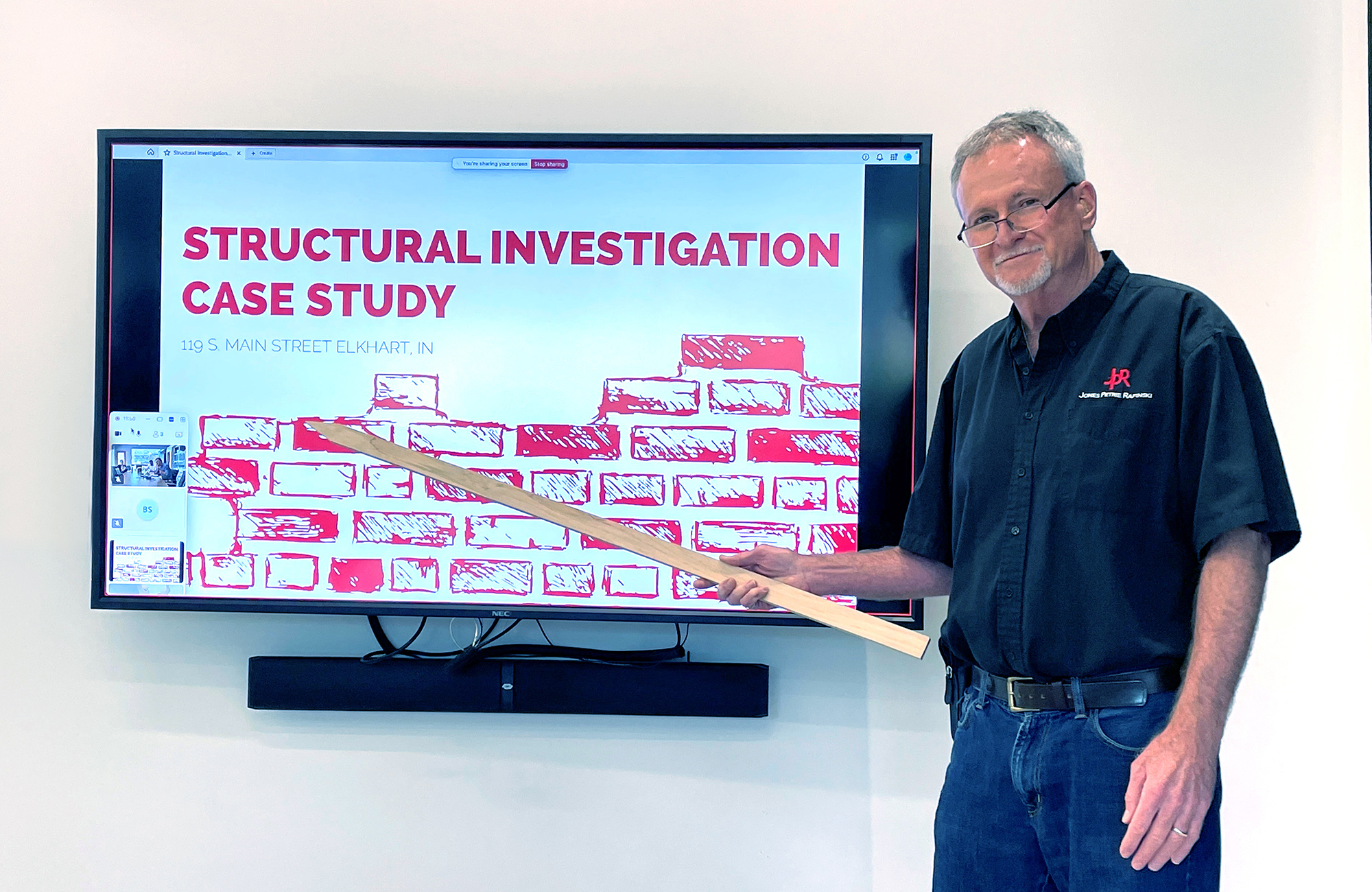
A: When Mark started engineering in the mid-1980s, computer programs were just beginning to change the field — and they’ve been evolving nonstop ever since.
“Despite that, I have always remained an ‘old school’ engineer, doing pencil and paper design sketches that I submit to others for computer drafting — and have had success at it without using computer programs,” he said.
Q: What’s one project or accomplishment you’re most proud of, and why?
A: Picking a single favorite project wasn’t an option for Mark — so instead, he shared a highlight reel.
“Designing and inspecting bridges from groundbreaking to opening day, the Town of Bremen Historic Water Standpipe structural investigation and drone inspection, demolition management for the former Bayer complex in Elkhart, geotechnical loading recommendations for the Bristol Water Tower auger cast piling, design and coordination for two new railroad crossings at new roadways in Elkhart, the South Link Road overpass project design and coordination in Goshen, to name some.”
Q: What do you think makes a great engineer?
A: After a long career spent solving complex challenges, Mark believes the foundation of great engineering comes down to mindset — and he goes on to list the qualities that matter most.
“Fearlessness in figuring out how you can tackle new challenges. Be open-minded. Be eager to solve problems. Have confidence in your own research. Enjoy solving puzzles.”
Q: What’s one lesson you’ve learned that you think every engineer should know?
A: “Mark Twain said that when you have a number of projects going on at the same time and you find that the bucket of ideas in your mind for one of the projects is empty, set that project aside, work on something else for a while, and let your subconscious mind work on it for you — even while you sleep. Later when you come back to that project you will very likely find that the bucket is full. I have found it to be true.”
Q: What advice would you give to young engineers just starting out?
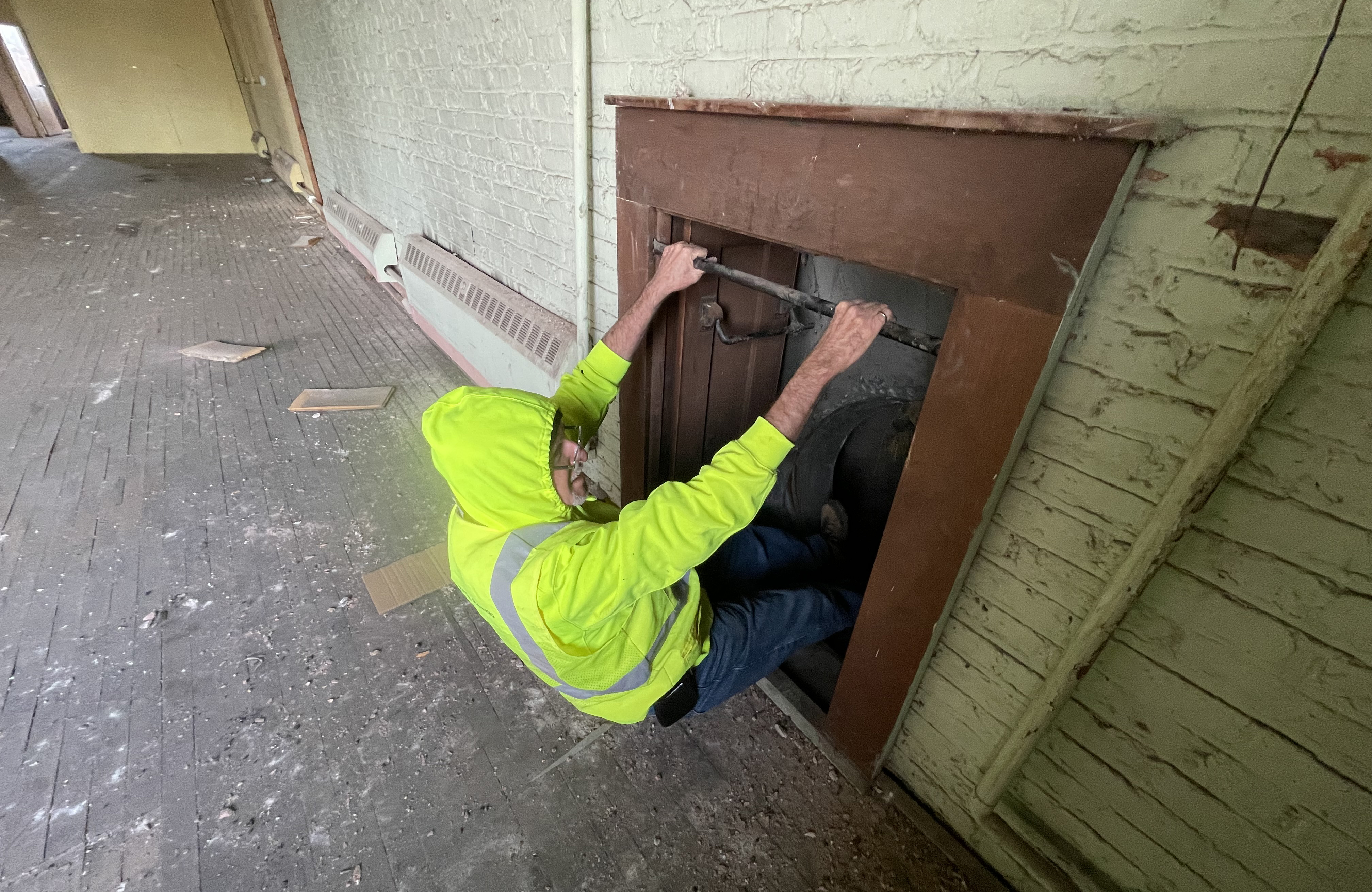
A: Mark’s advice to young engineers’ centers on learning in the field, paying close attention to detail, and building good habits early. He stresses the importance of field-checking projects, documenting conditions thoroughly with notes and photos, and using those observations throughout the design process.
“Field-check your projects early on. If need be, take a more experienced engineer with you as you gain experience,” he said. “Have a sharp eye for details and look for things that you didn’t expect to see that could impact the project design. When possible, take the topographic survey drawing for the project with you.”
He also encourages young engineers to prepare early and intentionally for the PE exam, to learn from others who have taken it, and not to be discouraged by setbacks. Beyond licensure, Mark emphasizes staying professionally engaged — joining organizations like ASCE, keeping up with continuing education, and using tools like NCEES to support long-term career growth.
Q: What are you most looking forward to in retirement?
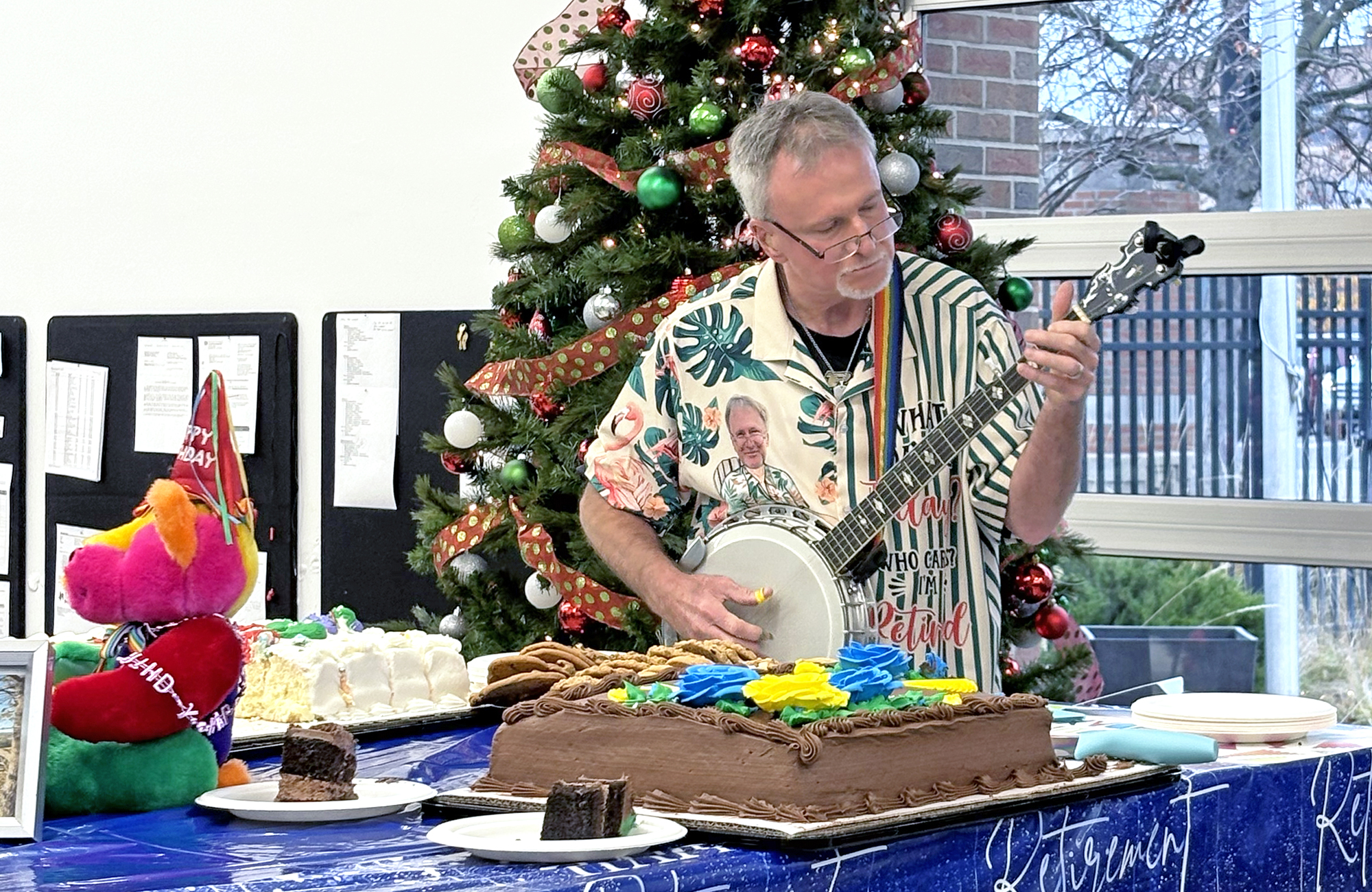
A: “Christmas vacation, repeat.”
As it turns out, “Christmas vacation, repeat” was also Mark’s answer to “How do you plan to spend your time now?” and “What’s next for you?”
Q: Is there anything you’d like to say to your colleagues or the next generation of JPR engineers?
A: “Never underestimate the power of researching with Google — where you work hard to phrase and rephrase your searching key words until you find the helpful information you are looking for.”
Q: How would you like people to remember your time at JPR?
A: “I want them to remember me as that old-school engineer guy.”
Q: Anything else you’d like to share with the readers?
A: “John 3:16. Read it. And go onward and upward from there.”

SOUTH BEND
325 S. Lafayette Blvd.
South Bend, Indiana 46601
Phone: (574) 232-4388
FORT WAYNE
111 W Berry Street,
Fort Wayne, Indiana 46802
Phone: (260) 422-2522