

Most people never think about a zoning ordinance until a new development is proposed nearby or someone wants to build something that doesn't quite fit the existing rules. Yet every day, zoning ordinances quietly shape the way our communities grow, influencing everything from housing and businesses to neighborhood character and economic development.
When written well, a zoning ordinance does far more than regulate land use. It becomes a roadmap for thoughtful, predictable growth that reflects a community's vision while providing clarity for residents, developers, business owners, and local officials alike.
An effective zoning ordinance is the foundation of responsible development. It translates a community’s vision into clear, enforceable regulations that guide decisions over many years.
As Angela Smith, AICP, Senior Planner at JPR, explains, "Figuring out how to balance a fair rule with a desired outcome can be a bit of an art form, but it's worth it when you get it right."
Rather than creating unnecessary barriers, a well-crafted ordinance encourages quality development by establishing expectations upfront. Developers know what's required, residents understand how future growth will be managed, and municipal staff can review projects more efficiently.
Perhaps most importantly, a strong ordinance reflects the unique character and priorities of the community it serves. Every town has different goals, and zoning should support those goals rather than apply a one-size-fits-all approach.

An effective ordinance isn't necessarily the longest or most detailed.
In many cases, simplicity leads to better outcomes.
The best zoning ordinances are written so that anyone—whether it's a planner, contractor, developer, or homeowner—can interpret the regulations consistently. Angela puts it simply: “If you hand the ordinance to five different people, they should each be able to give you the same answer to a basic zoning question.”
Clear regulations also make enforcement much easier. Requirements that depend on changing conditions, such as the number of employees in a building, can become difficult or impossible to administer over time. Instead, effective ordinances rely on standards that remain clear, measurable, and enforceable long after construction is complete.
Like any planning document, zoning ordinances should evolve over time. Unfortunately, many communities continue relying on regulations written decades ago—even as development trends, building practices, and community priorities have changed dramatically.
One of the clearest signs an ordinance needs attention is a growing number of variance requests or a pattern of developments relying on Planned Unit Developments (PUDs), which allow for more customized development standards, to achieve the quality of development the community desires. If staff and Boards of Zoning Appeals routinely approve requests to deviate from the ordinance, it often indicates the regulations themselves no longer reflect how development actually occurs.
Another indicator is more subtle. Developments may technically comply with the ordinance while still producing results the community doesn't find attractive, functional, or consistent with its vision. In those cases, the issue isn't that developers ignored the rules—it's that the rules themselves may no longer produce the desired outcome.
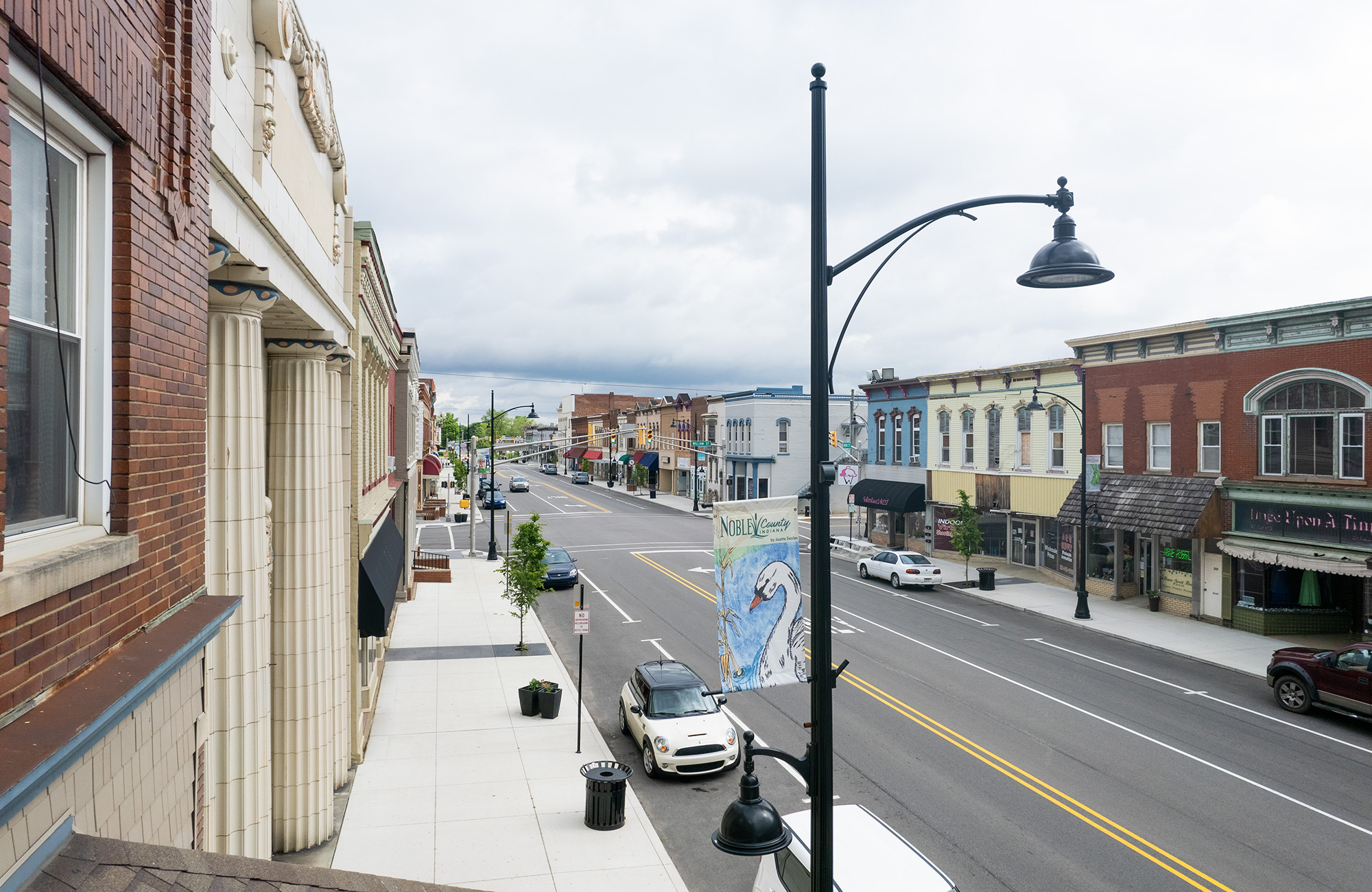
Many community leaders hesitate to revisit their zoning ordinance because they assume it requires a lengthy, expensive rewrite.
In reality, updating an ordinance doesn’t always mean starting over.
Like any planning document, a zoning ordinance should be viewed as a living document. Rather than sitting on a shelf for five or ten years, it should receive regular updates as development patterns evolve, building technologies advance, and new state or federal regulations emerge.
Today's housing challenges are one example of why ongoing evaluation matters. As communities look for ways to expand housing choices and respond to affordability concerns, some are finding that existing zoning regulations may unintentionally limit development opportunities. Parking requirements, landscaping standards, housing types, and other regulations may also need to evolve as community needs and development patterns change.
Sometimes a complete rewrite is appropriate. Other times, a series of targeted updates can effectively address problem areas without overhauling the entire ordinance. Incremental improvements often allow communities to respond to changing conditions while maintaining continuity and public confidence.
“The first step is often the hardest,” said Angela. “But it doesn’t have to be scary. Start with an assessment to determine just how much work needs to be done.”
That assessment should begin with a zoning "stress test" to identify what’s working—and what isn't. A stress test evaluates how well an ordinance performs in real-world situations. This might include reviewing recent zoning cases, analyzing frequently requested variances, gathering input from planning staff, or interviewing developers and community stakeholders.
These evaluations often reveal recurring challenges that might otherwise go unnoticed. More importantly, they help communities make informed decisions about whether targeted amendments or a comprehensive ordinance rewrite will provide the greatest benefit.
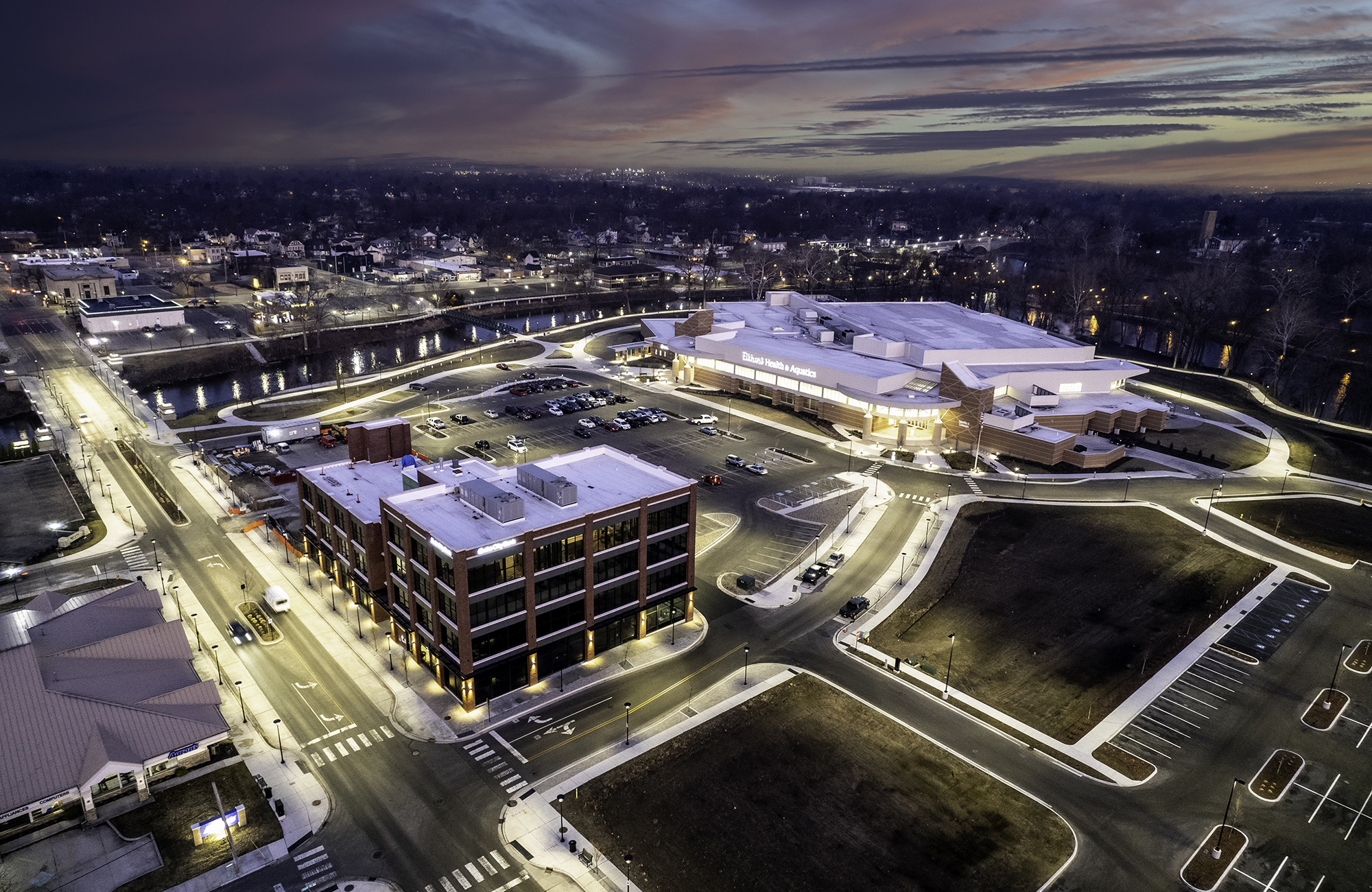
A well-written zoning ordinance benefits everyone.
Residents gain confidence that future development will align with the community's vision. Developers benefit from a more predictable review process with fewer surprises and delays.
Staff spend less time interpreting unclear regulations or processing unnecessary variances. Elected officials are better equipped to make consistent land-use decisions supported by clear policy.
When expectations are clear, projects move forward more efficiently, investments become more attractive, and communities are better positioned for long-term success.
If there's one piece of advice for communities considering zoning updates, it's this: don't let perfection prevent progress.
“You don’t have to change everything at once or fix all the issues in one fell swoop,” said Angela. “Incremental improvements can be just as valuable as comprehensive rewrites, especially when they're guided by thoughtful evaluation and a clear understanding of local goals.”
Strong communities don't happen by accident—they're guided by thoughtful planning and regulations that evolve alongside community needs.
At JPR, we help communities evaluate existing zoning regulations, identify opportunities for improvement, and develop practical, easy-to-administer ordinances that support responsible growth. Whether a community needs targeted updates or a complete ordinance overhaul, our planning team works alongside local officials and stakeholders to create regulations that are clear, flexible, and built to support success for years to come.

SOUTH BEND
325 S. Lafayette Blvd.
South Bend, Indiana 46601
Phone: (574) 232-4388
FORT WAYNE
111 W Berry Street,
Fort Wayne, Indiana 46802
Phone: (260) 422-2522