

For many schools, the busiest part of the day isn’t inside the building — it’s outside. Morning arrivals and afternoon dismissals bring hundreds of students, parents, buses, bicycles, and pedestrians together within a short window of time. Without thoughtful planning, these daily routines can quickly create congestion, safety concerns, and frustration for everyone involved.
To improve campus circulation and create safer school environments, Fort Wayne Community Schools (FWCS) partnered with JPR to design student pick-up and drop-off improvements at Shawnee, Lane, and Kekionga Middle Schools. While each campus presented unique challenges, the projects shared a common objective: moving traffic more efficiently while creating safer, more organized arrival and dismissal procedures.
Shawnee Middle School illustrates how strategic site design can make a meaningful difference.
Prior to construction, Shawnee’s limited site made it difficult to accommodate the volume of vehicles arriving during pick-up and drop-off. With no dedicated area to stack waiting vehicles, traffic routinely backed up onto Cook Road in both directions, disrupting through traffic, creating conflicts with nearby neighborhoods, and forcing some parents to park off campus while students crossed busy streets on foot. These conditions not only affected daily operations but also introduced unnecessary safety risks.
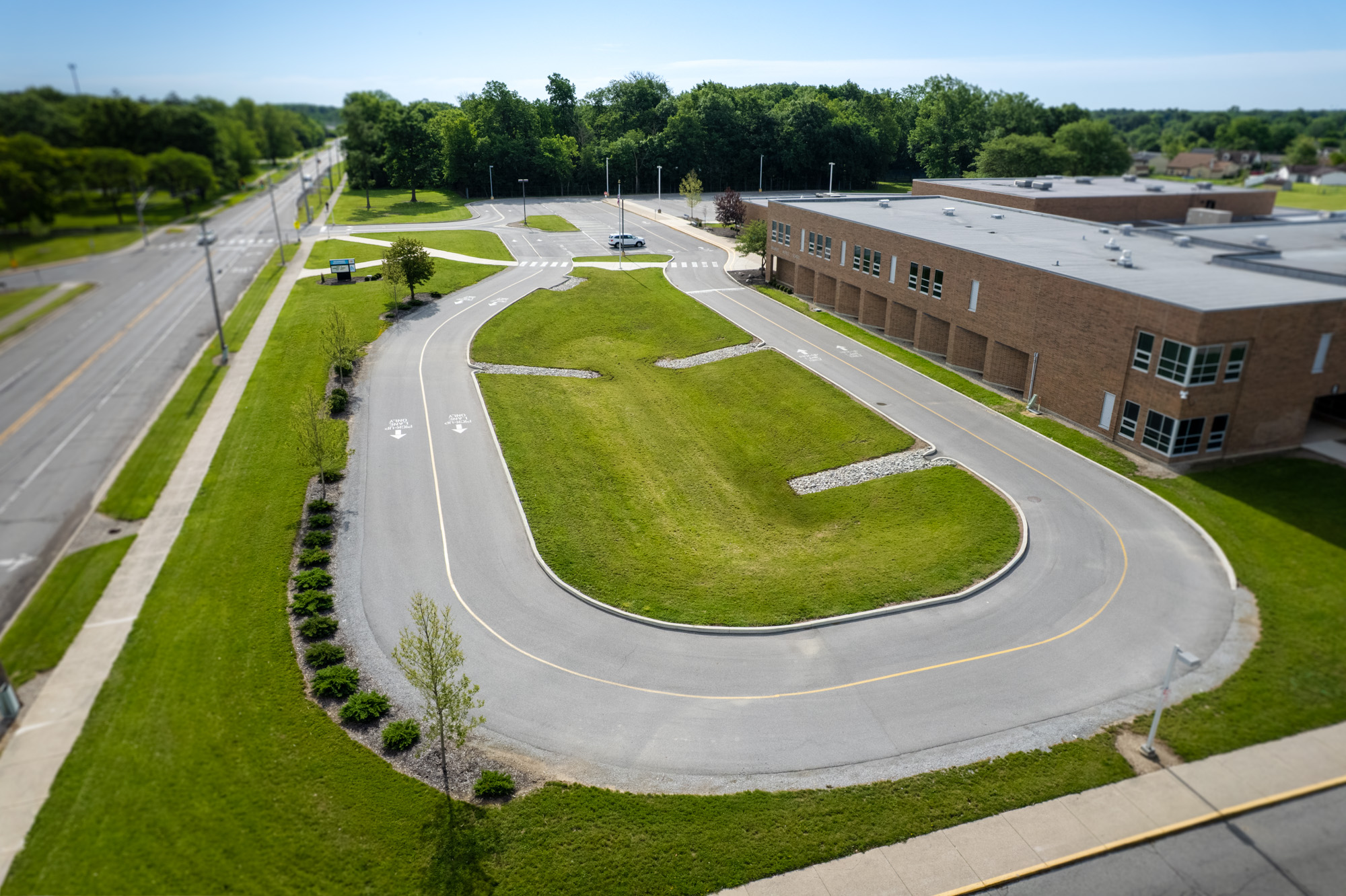
JPR worked closely with FWCS to develop a solution that addressed both traffic flow and pedestrian safety within the constraints of the existing campus. The design included a dedicated parent pick-up and drop-off loop, parking lot improvements, new sidewalks and accessible routes, and relocated accessible parking.
Together, these elements created a circulation system that safely accommodates the high volume of vehicles while improving access for students arriving by foot, bicycle, or car.
Designing the new circulation pattern involved far more than simply adding pavement. JPR evaluated vehicle stacking needs based on traffic counts provided by FWCS, ensuring the new loop could accommodate the majority of vehicles on campus instead of allowing queues to spill onto Cook Road.
Pedestrian movements were equally important. New sidewalk connections, strategically located crossings, and improved sight lines help students navigate the campus more safely while separating pedestrians from vehicle traffic wherever possible.
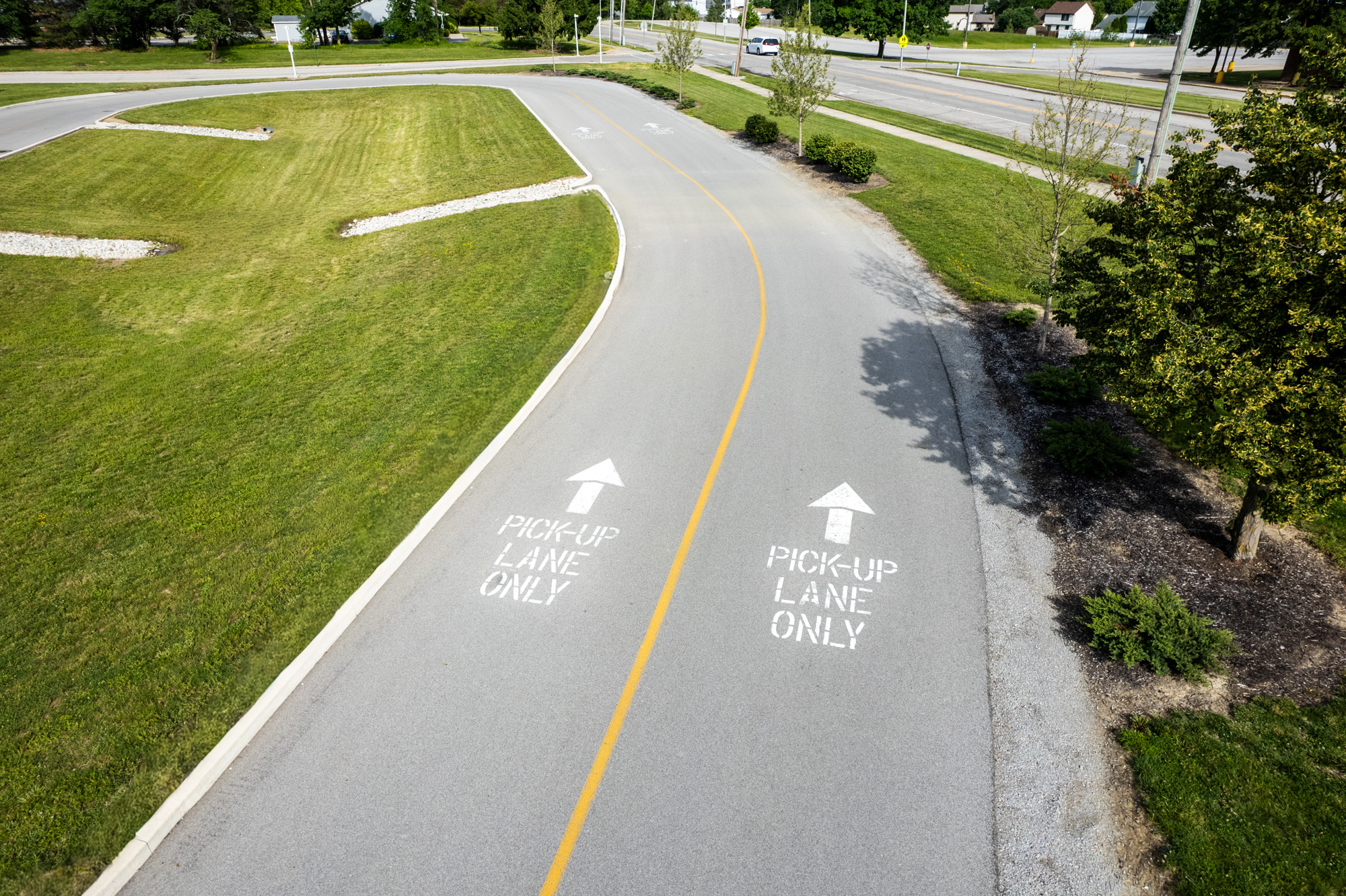
Stormwater management and grading were also carefully integrated into the design to accommodate the new pavement while protecting adjacent areas from drainage impacts. In addition, the project required the relocation of an existing utility line that conflicted with the proposed improvements. Early coordination with utility providers was critical to identify potential conflicts, develop relocation strategies, and maintain project momentum. By addressing these challenges early in the design process, the team was able to minimize disruptions during construction and ensure the new circulation system could be implemented efficiently.
Once complete, the results were immediate.
What had once been a daily source of congestion quickly became a smoother, more efficient process for families, school staff, and motorists traveling through the area.
“Adding a pick-up / drop-off lane at any school helps improve the morning arrival and afternoon drop off, but Shawnee was one of the instant improvements. It made for better operations and safe street traffic.” – Jayde T. Steffen, Coordinator of Capital Projects, FWCS
Beyond improving traffic operations, the project enhanced the daily experience for students, parents, and staff by creating a clearer, more intuitive circulation pattern. With vehicles contained on campus and pedestrian movements better defined, the school is now better equipped to safely manage the demands of morning arrival and afternoon dismissal.
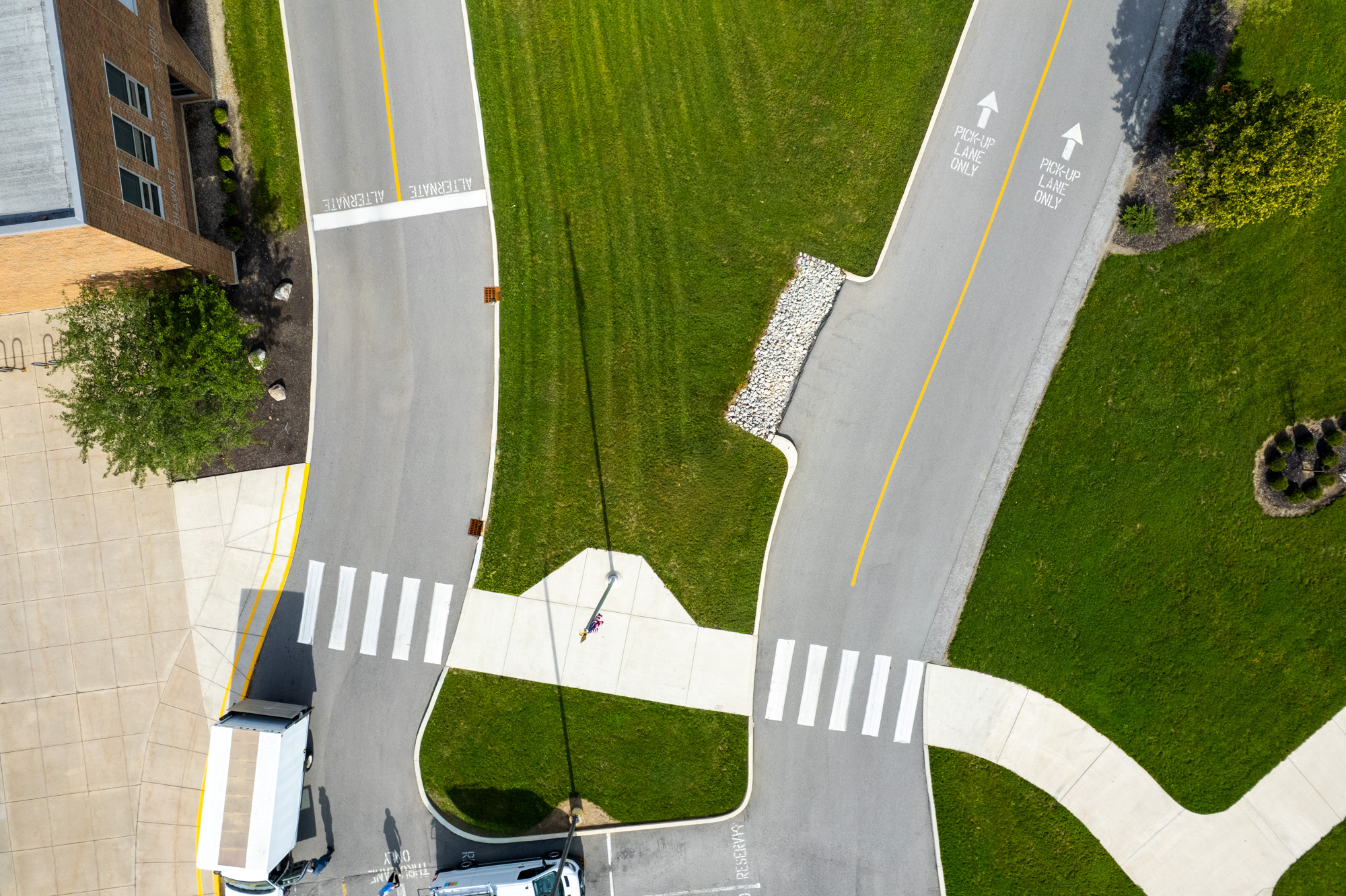
Although each of the three middle school projects required solutions tailored to its site, they all demonstrate the value of thoughtful planning and multidisciplinary collaboration. By combining civil engineering and landscape architecture expertise, JPR helped FWCS create safer, more efficient campuses that improve the daily experience for students, parents, staff, and the surrounding community.
Sometimes the most successful projects aren’t measured by what people notice — they’re measured by what they no longer have to think about. At Shawnee, Lane, and Kekionga Middle Schools, students can begin and end each school day with safer, smoother arrivals and departures, allowing everyone to focus on what matters most: learning.

SOUTH BEND
325 S. Lafayette Blvd.
South Bend, Indiana 46601
Phone: (574) 232-4388
FORT WAYNE
111 W Berry Street,
Fort Wayne, Indiana 46802
Phone: (260) 422-2522