

For centuries, wetlands occupied a dark corner of the human imagination.
Swamps and marshes were once depicted as dangerous, disease-ridden places — home to lurking monsters, foul air, and unseen threats. These stories, passed down through folklore and early settlement lore, led — at least in part — to the widespread drainage and filling of wetlands (or to avoiding them altogether).
While those myths have largely faded, modern misconceptions remain. Today, wetlands are sometimes viewed as economically “unproductive” when compared to residential or commercial development.
Science, however, tells a very different story.
Far from being wastelands or obstacles to progress, wetlands are among the most misunderstood yet valuable ecosystems on Earth — highly productive natural systems that protect communities from floods, improve water quality, store carbon, support diverse wildlife, and provide significant economic benefits through services like flood protection, water purification, and recreation.
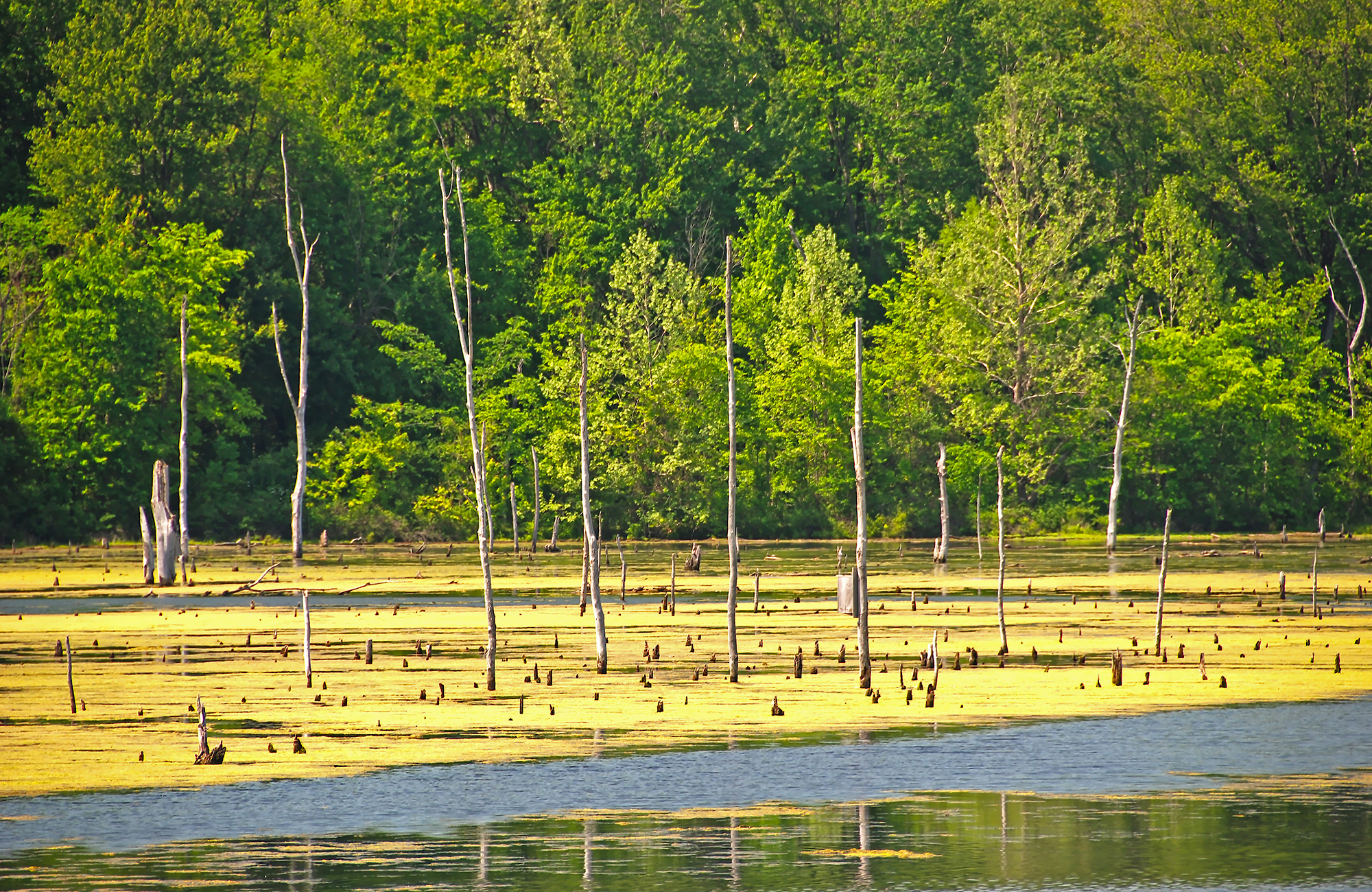
One of the most persistent misconceptions is that wetlands are expendable.
Many believe wetlands can simply be removed or relocated to make way for new development, with little ecological impact. While federal and state wetland mitigation programs attempt to replace wetlands that are unavoidably impacted, recreated or restored wetlands often do not function as effectively as the natural systems they replace.
“This isn’t always the case, but unfortunately it happens more often than not. That’s why preserving and conserving our wetlands — and designing mitigation projects that are as natural and scientifically sound as possible — is crucial to the healthy functioning of our local flora and fauna,” said Carter Schuh, Aquatic Scientist at JPR.
Many existing wetlands are remnants of vast historic wetland complexes that developed over thousands of years through natural geologic and hydrologic processes. These systems are finely tuned to their landscapes, making them difficult to replicate once destroyed.
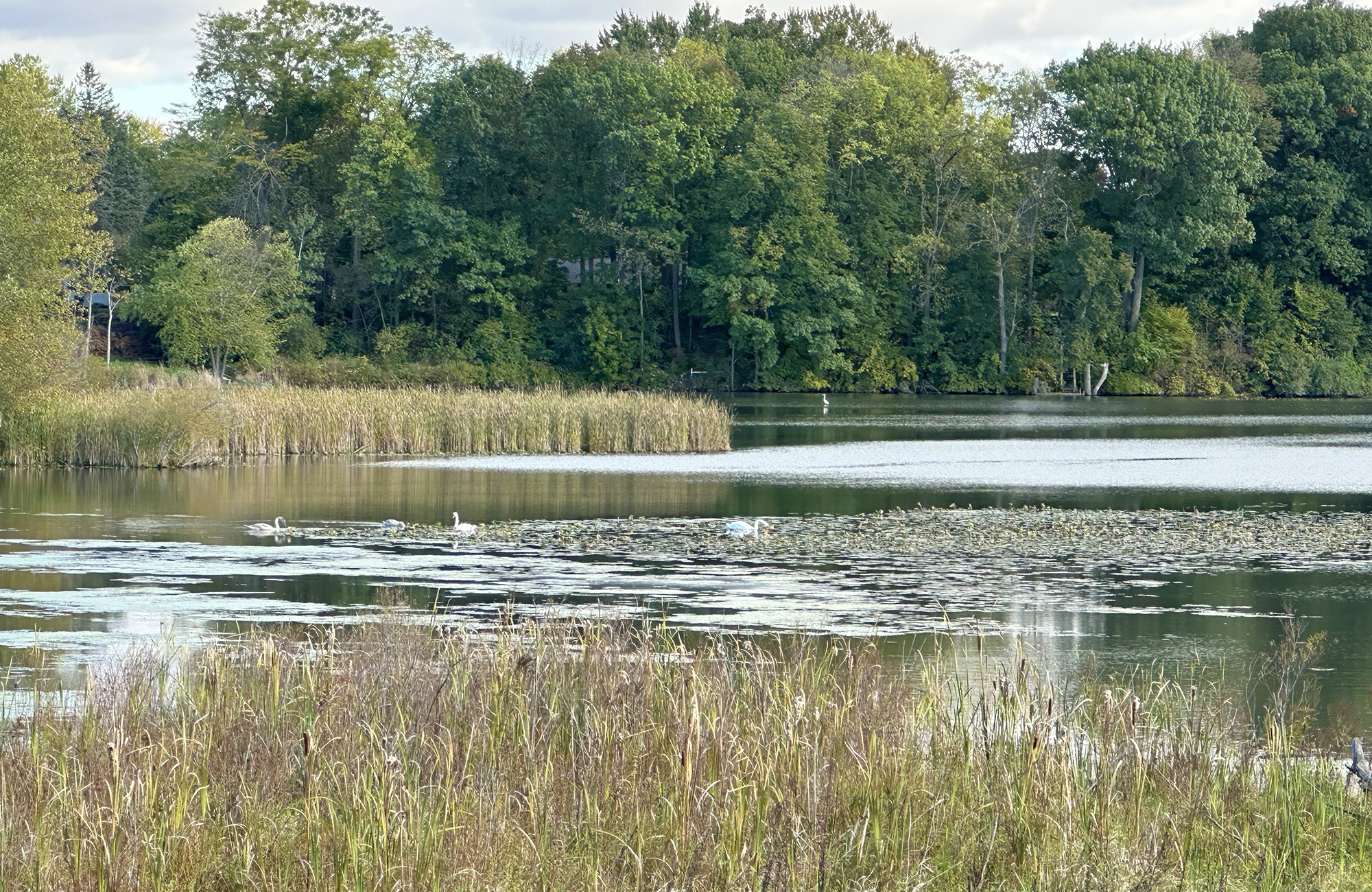
Wetlands play a critical role in protecting communities from natural disasters. Because they typically form in low-lying areas that experience regular inundation, wetlands act as natural buffers against flooding, storm surges, and erosion. By slowing and storing floodwaters, wetlands reduce downstream flooding and help stabilize shorelines and stream banks during major storm events and periods of drought.
Research by agencies such as NOAA shows that coastal wetlands alone provide billions of dollars annually in storm protection services — benefits that would otherwise require costly engineered infrastructure.
They are also essential for maintaining water quality. As rainwater moves across the landscape, it picks up sediments, nutrients, and pollutants — from fertilizers and pesticides in agricultural areas to oils, salts, and metals in urban environments. Wetlands intercept this runoff and filter it through a combination of physical settling, plant uptake, and complex soil and microbial processes.
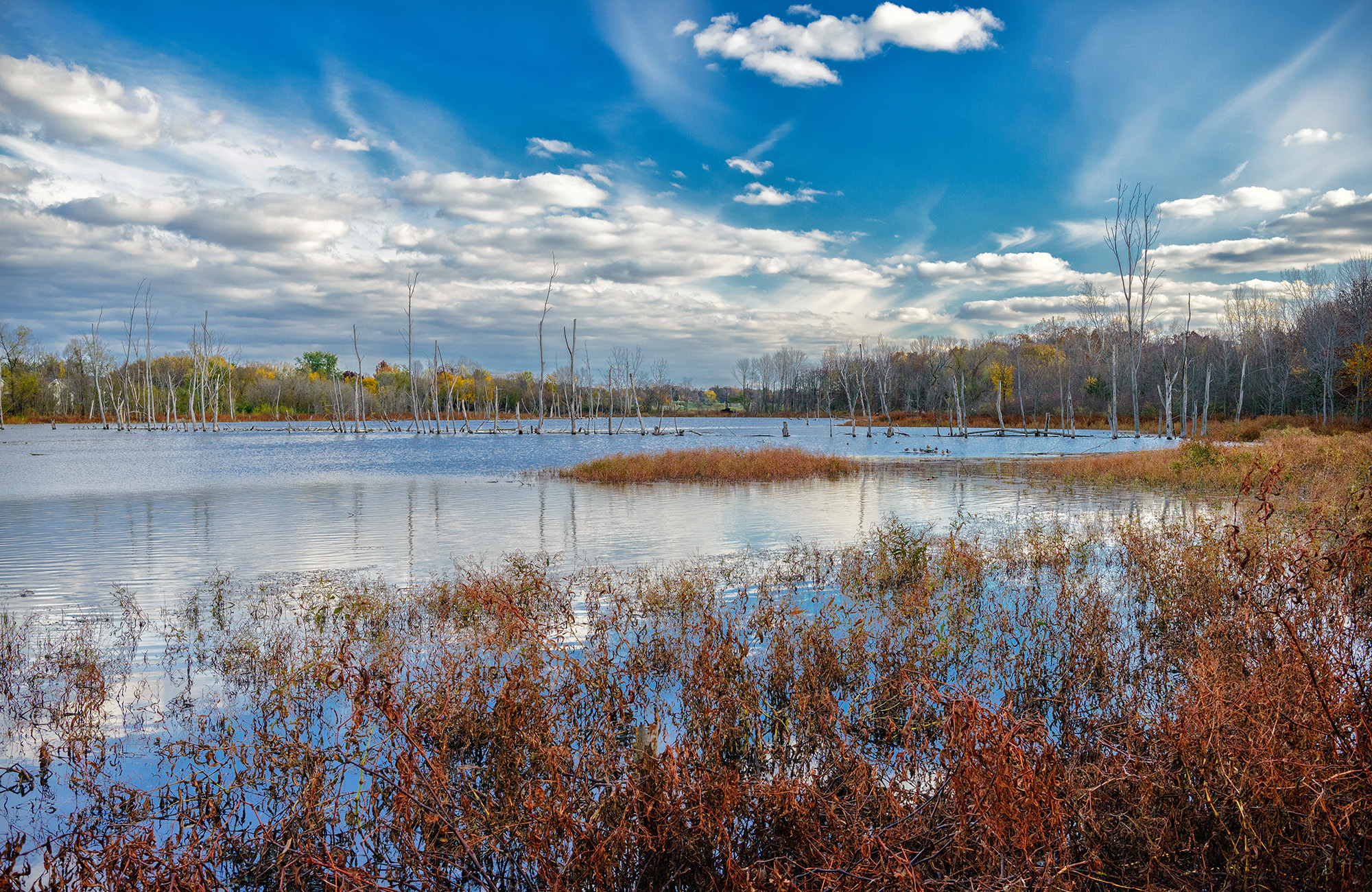
Wetland plants absorb excess nutrients like nitrogen and phosphorus, while specialized bacteria in waterlogged soils help break down organic matter and improve water quality — supporting healthier downstream lakes, rivers, and drinking water supplies. At the same time, these saturated soils limit oxygen, slowing decomposition and allowing carbon to accumulate as peat. In fact, peatlands store more carbon globally than all the world’s forests combined, making wetlands an essential component of climate mitigation strategies!
Finally, from a biodiversity perspective, wetlands are irreplaceable. They provide breeding, feeding, and shelter habitat for countless species of plants and animals. Amphibians, particularly salamanders such as eastern tiger salamanders, spotted salamanders, marbled salamanders, and two-lined salamanders, rely heavily on wetlands for their lifecycles. The presence of these species — many of which are sensitive or threatened — is a strong indicator of wetland health and overall ecosystem quality.
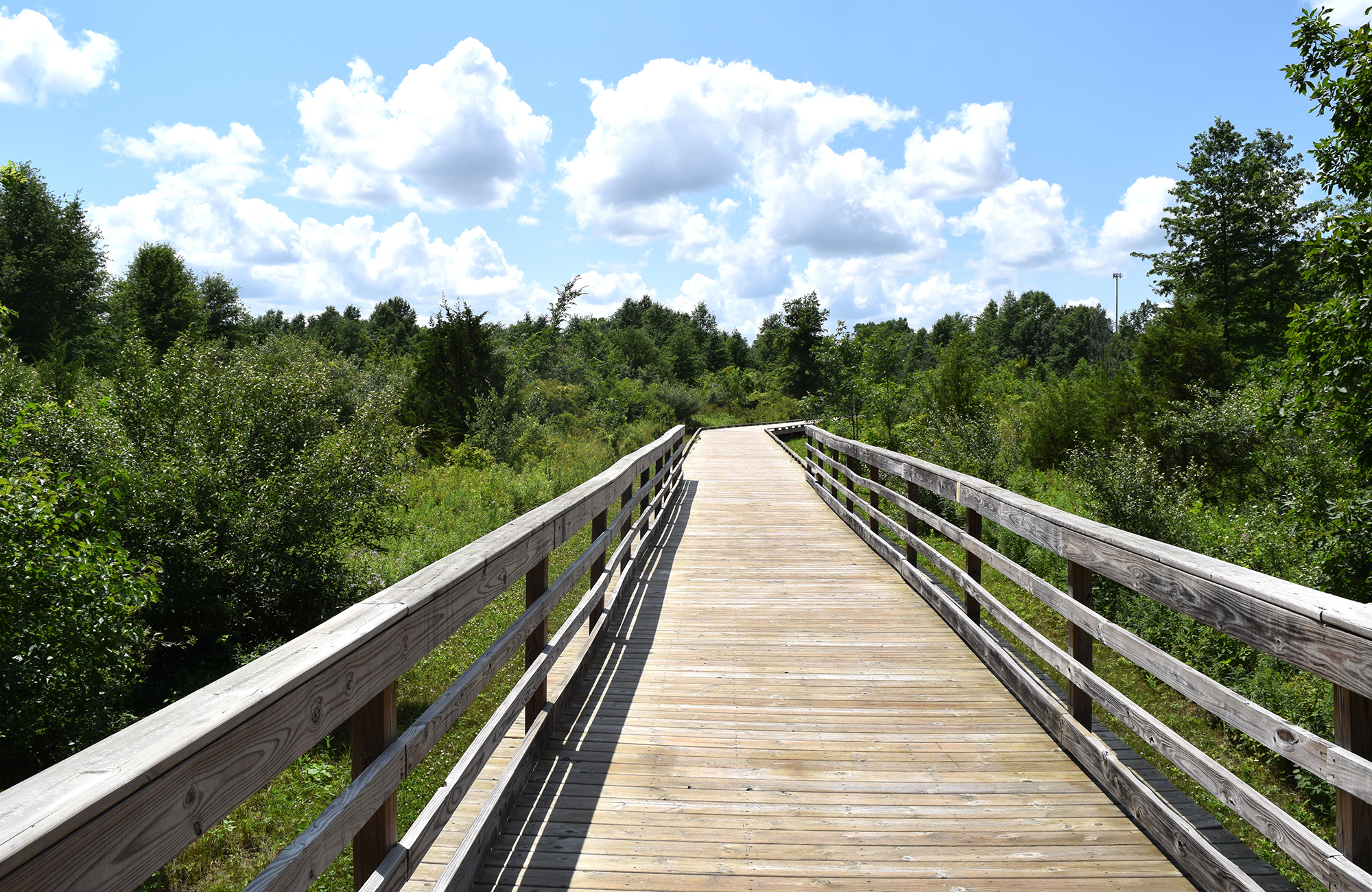
Wetlands are not relics of the past; they are essential infrastructure for the future.
Preserving intact wetlands, restoring degraded systems, and thoughtfully designing mitigation projects using sound science are all critical steps toward protecting water resources, wildlife, and communities.
And as climate change increases the frequency and intensity of storms, droughts, and flooding, wetlands will only become more valuable.
“On a broad scale, disasters like Hurricane Katrina and the ever-growing ‘dead zones’ in the Gulf and the Great Lakes — where major rivers meet them — are by products of significantly altering nature’s wetland systems,” said Schuh. “That’s why preserving our remaining intact wetlands, restoring degraded systems, and creating new wetlands where feasible is paramount to securing clean water and more flood-resilient communities.”
By moving beyond outdated myths and recognizing the true worth of wetlands, we can make informed decisions that balance growth with long-term environmental and economic resilience.
***
Have questions or want to know how JPR can help with a perspective project? Contact us!

SOUTH BEND
325 S. Lafayette Blvd.
South Bend, Indiana 46601
Phone: (574) 232-4388
FORT WAYNE
111 W Berry Street,
Fort Wayne, Indiana 46802
Phone: (260) 422-2522